

Elements Impacting Gutter deployment Costs in Arkansas
When reviewing gutter installation in Arkansas, the cost can vary based on several key factors. The variety of components used, the scale of the home, and the complexity of the deployment all contribute a role in figuring out the final cost. In Arkansas, where meteorological conditions can be unreliable, the selection of supplies becomes particularly important. Residents often realize that the cost of gutter installation is affected by the requirement for durability and rejection to the region's weather. For trustworthy Gutter Installation in Arkansas in Arkansas, AGM Gutters supplies skilled guidance and tangible approaches.
One of the primary factors affecting the charge of gutter setup is the variety of materials chosen. Usual supplies include aluminium, metal, and vinyl, each with its own group of benefits and cost points. For example, aluminium gutters are well-liked due to their easy to carry and corrosion proof properties, making them a great match for the damp situations commonly experienced in Arkansas. On the other side, steel gutters may be greater costly but provide greater strength and endurance.
Additionally, the dimensions and structure of the dwelling can influence the expense. Bigger dwellings with more intricate roof structures may require more components and labor, which can raise the overall cost of deployment. It's also important to take into account the area construction standards in Arkansas, which may specify particular requirements for gutter setup. These standards can affect the type of components used and the deployment procedure, more impacting the charge.
Another factor to consider is the need for care. In Arkansas, where intense precipitation and storms are frequent, gutters must be able to manage large volumes of fluid. This implies that the deployment process may include extra steps to make sure that the gutters are properly sloped and fastened, which can also impact the charge. Residents should be aware that while primary setup expenses may vary, the prolonged care and maintenance costs can as well increase up over time.
Frequently Gutter types Used in Arkansas
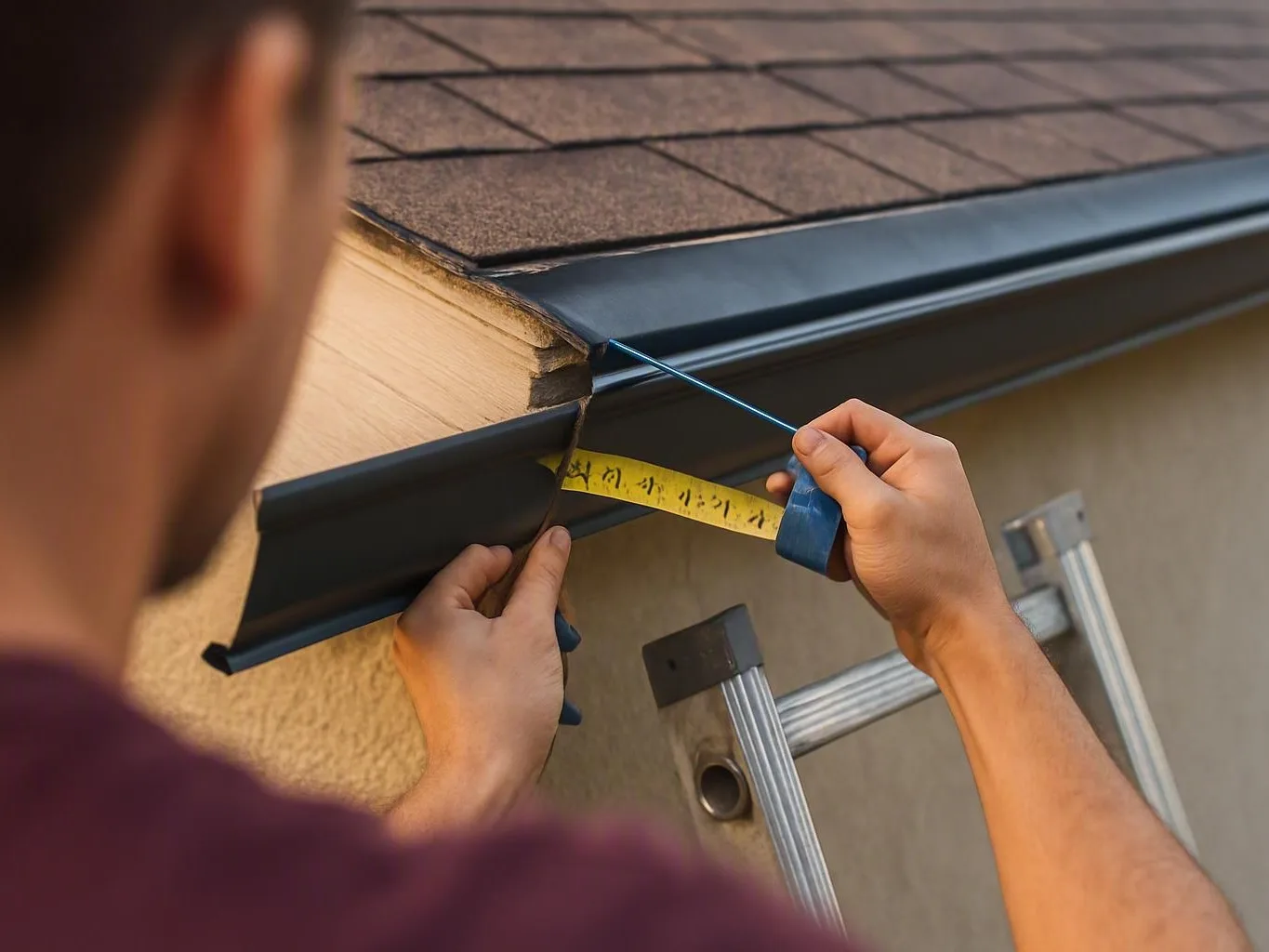
In Arkansas, the widely used varieties of gutters include aluminum, metal, and polymer. Each of these components has its own range of advantages and limitations, making them ideal for different kinds of residences and climates. For example, aluminum gutters are easy to handle and less likely to suffer from corrosion, making them a well-liked selection for many residents in the area. Steel gutters, while sturdier, can be prone to rust if not adequately cared for. Polymer gutters, on the contrary, are affordable and straightforward to put in, but they may not be as durable as other options.
The option of gutter kind can also depend on the specific needs of the property owner. In areas of Arkansas with high moisture, such as Fayetteville, homeowners may opt for components that are more capable of handling moisture. This is because long-term contact to moisture can lead to corrosion and other forms of destruction. In contrast, in arid areas, polymer gutters may be a more economical selection.
It's also crucial to take into account the local climate when picking gutter kinds. Arkansas goes through a range of climate conditions, from heavy rain to sporadic snow. This implies that the gutters must be capable of managing changing degrees of moisture. For instance, in cities like Little Rock, where the climate can be quite variable, homeowners may choose gutters that are designed to handle extreme rain and likely snow cover.
Moreover, the setup procedure for each kind of gutter can change. Aluminium gutters, for instance, are typically easier to install and require less labor, which can cut down on expenses. Metal gutters, on the contrary, may demand more specific instruments, which can increase the cost of installation. Polymer gutters are usually the simplest to put in, but they may not be the most suitable option for residences that demand a more durable setup.
Ultimately, the choice of gutter variety in Arkansas is influenced by a series of aspects, including the area's weather, the specific needs of the property owner, and the total cost. By knowing the distinct types of gutters available, homeowners can reach well-considered choices that will help protect their residences from water damage.
Weather Influence on Gutter Installation in Arkansas
Weather patterns in Arkansas plays a important role in the installation and service of gutters. With its warm temperate climate, the state experiences hot summers and mild winters, which can result in intense downpours and occasional thunderstorms. This means that gutters must be engineered to cope with large volumes of water, guaranteeing the choice of materials and setup techniques crucial. In regions like Little Rock and Fayetteville, where the climate can be extremely variable, property owners must ensure that their gutter equipment are built to withstand these challenges.
One of the key weather impacts in Arkansas is the frequent occurrence of heavy rain. This can lead to water pooling around the foundation of a home, which can cause framework damage over time. To combat this, gutters must be set up with the proper inclination to make sure that water moves away from the house. In locations with a great chance of flood events, such as Springdale, the placement process may require more measures to make sure that the gutters are capable of deal with the increased volume of water.
Maintenance is another essential factor when considering the impact of the Arkansas climate on gutter installation. The high humidity levels in the state can lead to the buildup of mold and mildew, which can damage the gutters over time. This means that homeowners must be careful in their maintenance routines, including frequent cleaning and inspections. In cities like Fort Smith, where building codes may require particular maintenance practices, it's crucial to follow these guidelines to avoid likely issues.
Another consideration is the chance for ice and snow in certain parts of Arkansas. https://docs.localcharts.org/new While the state does not encounter heavy snowfall, occasional winter storms can still affect the effectiveness of gutters. This means that homeowners must be prepared to address any problems that arise from ice buildup, which can result in clogs and damage. In such situations, the installation of thermally assisted gutter systems or the use of particular materials that resist ice formation may be necessary.
By understanding the climate conditions in Arkansas, homeowners can make informed decisions about their gutter installation. This includes selecting the right materials, confirming appropriate installation, and preserving the setup to prevent damage. With the right approach, homeowners can protect their homes from the effects of the region's weather and enjoy a functional and durable gutter system.
Top Options for Gutters in Arkansas
Selecting the prime options for gutters in Arkansas is crucial for guaranteeing durability and results in the region's distinct climate. The state's moist and temperate climate, marked by scorching summers and moderate winters, can cause heavy rainfall and periodic lightning storms. This indicates that gutters must be made from options that can endure these conditions while providing extended safeguarding for the home. https://notes.io/eLaan In Arkansas, the most commonly used materials for gutters consist of aluminum, metal, and plastic, each possessing its own set of merits and aspects.
Aluminum gutters are a favored choice in Arkansas due to their compact attribute and defense to degradation. This results them well-suited for the state's wet environments, where moisture can cause rust and other types of degradation. Additionally, aluminum gutters are moderately straightforward to install, which can support lower the total cost of the project. Still, they might not be as sturdy as other substances, and they can be susceptible to dents if not properly cared for.
Steel gutters, while sturdier than aluminum, can be easily to rust if not adequately treated. In Arkansas, where the climate can be highly variable, homeowners may select galvanized steel gutters, which provide enhanced protection against corrosion. These gutters are known for their sturdiness and lasting quality, making them a solid option for homes in areas with heavy rainfall. However, they can be costlier than aluminum options and may require more maintenance over time.
Polyethylene gutters are another option that is often used in Arkansas, particularly in areas with a more moderate climate. These gutters are affordable and simple to set up, making them a cost-effective choice for many homeowners. However, they may not be as long-lasting as other materials and can be susceptible to cracking or warping in harsh weather. This makes them a not the top recommendation for homes in regions with regular thunderstorms or intense precipitation.
When selecting the most suitable materials for gutters in Arkansas, it's important to evaluate the particular demands of the home and the local environment. Res homeowners should also know about the likely expenses connected to each material, as well as the long-term maintenance requirements. By taking an informed decision, homeowners can guarantee that their gutter units are appropriate for the conditions in Arkansas and supply steady safeguarding for their residences.
Average Gutter Installation Cost in Arkansas Cities
The typical price of gutter installation in Arkansas can fluctuate depending on the town and the particular needs of the home. In Little Rock, the price of gutter setup generally spans from $300 to $1,200 for a typical home. This interval is affected by elements such as the scale of the home, the kind of components used, and the difficulty of the fitting. For residents in Little Rock, it's crucial to evaluate the regional climate and the potential for heavy rainfall when preparing for gutter installation.
In Fayetteville, the price of gutter fitting may be marginally varied due to the town's distinctive climate and building regulations. The moist environments in Fayetteville can influence the selection of materials, with many residents selecting for corrosion-resistant alternatives such as metal or coated iron. This can affect the overall price, as these materials may be higher priced than common plastic alternatives. Additionally, the fitting process may require more steps to ensure that the gutters are properly sloped and secured for optimal water flow.
Several cities in Arkansas, such as Springdale and Fort Smith, also have their own unique reasons that impact the cost of gutter setup. In Springdale, where the climate can be more likely to thunderstorms, residents may need spend in stronger gutter installations to manage the greater amount of rain. This can result to greater installation expenses, as the materials and work needed may be more involved. In Fort Smith, development codes may impose specific requirements for gutter installation, which can as well affect the overall cost.
It's also valuable noting that the price of gutter installation can change based on the dimension of the home and the level of the roofline. Larger homes with higher intricate designs may demand more materials and labor, which can rise the expense of the project. Additionally, the need for maintenance and fixes can as well affect the long-term expense of gutter installations, making it important for homeowners to evaluate these elements when organizing for fitting.
By understanding the typical expense of gutter installation in Arkansas cities, homeowners can reach informed choices about their projects. This encompasses picking the right materials, considering the regional environment, and guaranteeing that the installation satisfies the unique demands of the home. With the right approach, homeowners can achieve a operational and long-lasting gutter setup that offers sustained safeguarding for their asset.
Experienced Gutter installation Process in Arkansas
Professional gutter installation in Arkansas involves a series of steps designed to ensure that the setup is appropriately installed and functions efficiently. The process typically begins with an assessment of the residence's roofline and the specific requires of the homeowner. This includes assessing the size of the property, the type of materials used, and the area climate conditions. In Arkansas, where weather can be unpredictable, this initial assessment is critical for determining the best approach to installation.
Once the assessment is comprehensive, the next step is to select the proper materials for the gutter system. Residents in Arkansas often select materials such as aluminum, steel, or vinyl, each with its own set of advantages and considerations. The selection of materials is influenced by factors such as the local climate, the need for durability, and the overall budget. In cities like Little Rock, where the climate can be quite variable, homeowners may opt for materials that are resistant to corrosion and moisture.
The installation process itself involves several key steps, including measuring and cutting the gutters to fit the home's roofline, securing the gutters to the fascia boards, and ensuring that they are properly sloped for effective drainage. In Arkansas, where heavy rainfall is common, the installation process may include additional steps to ensure that the gutters are able to handle large volumes of water. This can involve the use of specific tools and techniques to secure the gutters and prevent issues such as clogging or damage.
After the gutters are installed, the final step is to conduct a thorough inspection to ensure that everything is functioning properly. This includes checking for any leaks, ensuring that the gutters are properly sloped, and verifying that the downspouts are directing water away from the foundation. In cities like Fayetteville, where the climate can be particularly humid, this inspection is essential for identifying any potential issues that may arise from moisture buildup.
By following a professional setup process, homeowners in Arkansas can ensure that their gutter systems are mounted properly and are able to offer sustained security for their properties. This includes selecting the best materials, considering the area climate, and making sure that the setup meets the unique requirements of the residence. With the best approach, property owners can enjoy a working and long-lasting gutter system that is appropriate to the conditions in Arkansas.
What defines the most frequent kinds of gutters employed in Arkansas?
The most frequent kinds of gutters used in Arkansas include metal, iron, and vinyl. These components are chosen based on their sturdiness, capacity to oxidation, and appropriateness for the area's climate. Aluminum gutters are well-liked due to their lightweight and anti-rust characteristics, making them suitable for the damp conditions in metropolitan areas like Fayetteville. Cast iron gutters provide greater strength and durability, while plastic gutters are a budget-friendly choice that is straightforward to mount.
How do environmental factors in Arkansas affect gutter setup?
Environmental factors in Arkansas, such as large amounts of rain and dampness, greatly impact gutter setup. The need for gutters to manage substantial quantities of water indicates that the setup procedure must ensure adequate slope and water removal. In regions like Springdale, where thunderstorms are frequent, gutters need to be created to withstand these conditions. Furthermore, the excessive moisture amounts in the state can lead to mildew and mildew collection, which demands frequent care to prevent damage.
Which substances are most appropriate for Arkansas climate?
Components most appropriate for Arkansas weather consist of metal, cast iron, and plastic. Metal gutters are immune to oxidation, making them suitable for the area's humid situations. Cast iron gutters supply more strength and durability, while plastic gutters are a cost-effective solution that is straightforward to mount. The decision of component relies on the particular demands of the property owner and the regional weather conditions in Arkansas.
What is the average cost of gutter installation in Arkansas?
The typical cost of gutter installation in Arkansas changes depending on the town and the unique needs of the home. In Little Rock, the expense usually varies from $300 to $1,200 for a typical home. Aspects such as the scale of the home, the type of materials used, and the level of the setup all impact the end cost. In Fayetteville, the expense may be slightly different due to the city's distinctive weather and structural standards. https://postheaven.net/tellercough42/a-complete-guide-to-why-qualified-gutter-installation-matters-in-arkansas
What are the procedures involved in skilled gutter installation?
The processes involved in expert gutter installation comprise assessing the home's roofline, picking the appropriate supplies, calculating and cutting the gutters, securing them to the fascia, and confirming proper inclination for effective drainage. In Arkansas, where climate can be unpredictable, the installation could consist further procedures to confirm that the gutters are ready to deal with intense downpour. This comprises inspecting for leaks and ensuring that the drainpipes are channeling rain off the foundation.