

Why Gutter setup Matters in Arkansas
Arkansas is famous for its variable climate, with unexpected rainstorms and shifting conditions that can affect residences in significant ways. In Little Rock, the mean yearly precipitation is around 50 inches, making proper gutter setup crucial for safeguarding homes from flood damage. Without efficient gutter systems, rainwater can seep into the groundwork, result in soil erosion, and cause expensive maintenance.
The weather in Arkansas can be difficult, with heavy storms during spring and mid-year, and occasional intense weather events that carry powerful gusts and hail. These situations mean that gutters must be sturdy and properly maintained to deal with the challenges of the local climate. Whether you reside in Little Rock, North Little Rock, or any other urban area in Arkansas, grasping the significance of a trustworthy gutter unit is essential to long-term residential security.
Homeowners in Arkansas should also take into account the unique weather conditions that influence diverse areas. For example, Fayetteville experiences strong spring rains, which can overwhelm inadequately installed gutters. In the same way, Springdale’s mountainous topography can generate uneven water runoff, making it essential to install gutters that take into account the topography. By committing in quality gutter setup, Arkansas homeowners can guarantee their residences continue to be safe and moisture-free, no regardless what the climate provides.
Popular Gutter varieties Used in Arkansas
When it comes to gutter installation in Arkansas, homeowners have multiple alternatives to pick from. The most frequent gutter kinds include vinyl, aluminum, and steel, each with its own advantages and disadvantages. In Little Rock, many residents opt for vinyl gutters due to their affordability and ease of installation. However, other materials like metal gutters are also popular, especially in areas with more extreme weather conditions.
In Fort Smith, for instance, metal gutters are often preferred because they are more sturdy and can withstand heavy rainfall. Similarly, in Fayetteville, where spring rains can be especially intense, homeowners may select metal or aluminum gutters for their strength and longevity. The choice of gutter material can also depend on the area climate and the exact requires of the property.
Another factor to weigh is the type of property and its architectural style. In cities like Springdale, where the landscape is more varied, the gutter setup must be designed to manage different drainage patterns. Whether you're in Little Rock or another city in Arkansas, selecting the right gutter type is crucial for long-term performance and protection.
Vinyl Gutters in Arkansas
Vinyl gutters are a favored choice for many homeowners in Arkansas, especially in cities like Little Rock and Fayetteville. These gutters are lightweight, easy to install, and resistant to rust and corrosion. They are also relatively affordable, making them a cost-effective option for those looking to protect their homes without breaking the bank.
One of the main benefits of vinyl gutters is their ability to withstand the typical weather conditions in Arkansas. With an average of 50 inches of rainfall per year, it's important that gutters can handle heavy downpours without sagging or breaking. Vinyl gutters are designed to flex slightly under pressure, which helps prevent damage during storms. However, they may not be the best option for areas with extreme weather, such as Springdale, where heavy rainfall and hilly terrain can create more intense water runoff.
Despite their advantages, vinyl gutters may not be the most durable option in the long run. Over time, exposure to sunlight and temperature changes can cause them to become brittle or crack. For homeowners in cities like Little Rock, where the climate is relatively moderate, vinyl gutters can be a reliable and solid choice. However, those in more extreme weather conditions may want to consider other materials.
Metal Gutters for Arkansas Weather
Metal gutters are a popular choice for homeowners in Arkansas, particularly in areas with more severe weather conditions. In cities like Springdale, where heavy rainfall and hilly terrain can create complex drainage patterns, metal gutters offer more durability and strength. They are also less to sag or break under the weight of water, making them a reliable option for long-term use.
Aluminum and steel are the two most common types of metal gutters used in Arkansas. Aluminum gutters are easy to handle, corrosion-resistant, and easy to install, making them a favorite choice for many homeowners. Steel gutters, on the other hand, are more robust, and sturdier, but they can be more expensive and may need additional maintenance to prevent rust.
In Little Rock, where the climate is generally moderate, metal gutters can provide great protection against rain and wind. However, in areas like Fayetteville, where spring rains are more intense, metal gutters may be a more suitable option due to their ability to handle strong water flow. Homeowners in cities like North Little Rock or Conway may also find metal gutters to be a practical investment, especially if they live in areas frequently affected by frequent storms.
How Arkansas Climate Affects Gutter Installation
The climate in Arkansas plays a significant role in determining the best approach to gutter installation. With an average of 50 inches of water per year, it's crucial to pick a gutter setup that can deal with heavy storms without failing. In Little Rock, where the weather can be variable, homeowners must make sure their gutters are adequately set up to avoid water damage to their residences.
Arkansas climate is recognized for its abrupt shifts, with phases of intense water followed by arid periods. This fluctuation can lead to gutters to expand and shrink, which may result in leaks or structural injury over duration. In towns like North Little Rock, where the land is increasingly varied, the installation procedure may need to account for diverse runoff trends and altitude shifts.
In addition to precipitation, Arkansas is also prone to extreme climate events, such as stormy weather and hail. These situations can place extra strain on gutters, making it important to pick components that can tolerate the elements. For instance, in Springdale, where rolling areas can create uneven water runoff, the gutter unit must be carefully planned to guide moisture away from the property properly.
Homeowners in Arkansas should also consider the regional weather when organizing their gutter placement. In towns like Fayetteville, where early season water are especially heavy, it's vital to place gutters that can deal with big volumes of moisture. In the same way, in places like Pine Bluff, where the weather can be increasingly moist, proper water flow is crucial to avoid dampness and moisture harm.
Excellent Choices for Arkansas Gutters
Picking the proper materials for gutter installation in Arkansas is essential for long-term functionality and protection. The most suitable options for gutters in the area include metal, iron, and polymer, each with its own advantages and cons. In Little Rock, many homeowners choose for metal gutters due to their compact layout and resistance to rust and decay.
Aluminum gutters are a favored selection for their toughness and simplicity of setup. They are also present in a range of shades, making it easy to fit the appearance of a home. In cities like Rogers, where the weather is relatively temperate, aluminum gutters can provide great protection against precipitation and breeze. However, they may not be the most suitable option for regions with severe weather, such as Springdale, where heavy rainfall and elevated landscape can generate more intensive fluid drainage.
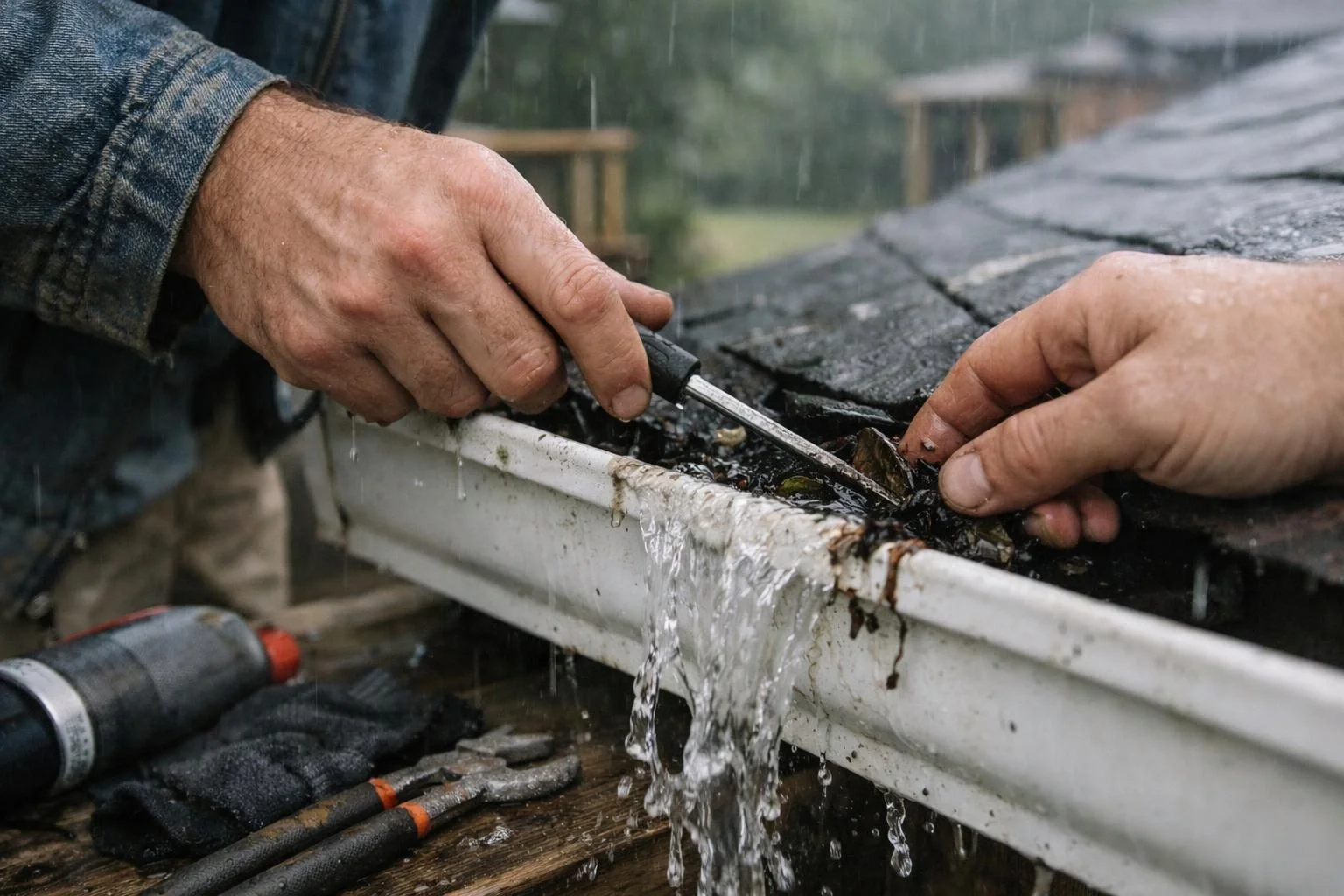
Iron gutters are another selection for homeowners in Arkansas, offering greater sturdiness and toughness. They are especially appropriate for regions with heavy precipitation, as they can resist the volume of liquid without drooping or shattering. However, steel gutters may need higher maintenance to prevent rust, especially in areas with increased moisture or regular storms.
Plastic gutters are a affordable option for many homeowners in Arkansas, mainly in metropolitan areas like Little Rock and Fayetteville. They are slim, straightforward to mount, and capable to degradation, making them a practical option for moderate climates. However, they may not be the most suitable selection for areas with severe climates, where durability is a top concern.
Gutter Installation Charges in Arkansas
The expense of gutter installation in Arkansas can vary depending on several reasons, including the variety of resources used, the size of the residence, and the difficulty of the setup. In Little Rock, homeowners can anticipate to pay between $3 and $7 per running foot for standard gutter installation, with the final price ranging from $600 to $1,500 for an average-sized home.
In metropolitan areas like Rogers, where the need for gutter setup is greater, the price may be slightly more due to increased labor and supply expenses. Similarly, in areas like Fayetteville, where intense early downpours can require greater durable materials, the price of setup may also be more. Homeowners should also take into account the extended maintenance costs of their gutter unit, as some materials may require more frequent replacements or replacements.
For those looking for a higher cost-effective alternative, vinyl gutters are typically the highest economical option. In Little Rock, plastic gutters can be set up for as minimal as $2 per footage, making them an appealing choice for cost-conscious homeowners. But, in areas like Springdale, where the land and climate might be higher demanding, investing in a higher sturdy material may be a better long-term choice.
It's also crucial to think about the price of professional installation, as getting a licensed builder can ensure the job is finished accurately and quickly. In metropolitan areas like North Little Rock, where building standards may necessitate certain installation standards, hiring a expert can assist prevent high errors and ensure following with area regulations.
Gutter upkeep Advice for Arkansas Homeowners
Proper upkeep is important for ensuring the long-term performance of a gutter unit in Arkansas. Regular cleaning and review can aid stop obstructions, seepage, and other challenges that can result in moisture damage. In Little Rock, where the typical seasonal rainfall is around 50 feet, homeowners should schedule gutter washings at minimum two times a year to keep their installations functioning correctly.
In cities like Pine Bluff, where the weather can be greater damp, it's particularly crucial to inspect for indications of mold or algae formation. These can obstruct gutters and reduce their capability, causing water gathering around the base of the dwelling. Homeowners should also check for indications of injury, such as drooping gutters, cracks, or unfastened attachments, which can suggest the need for maintenance.
Additional crucial feature of gutter upkeep is ensuring that downspouts are correctly pointed away from the dwelling. In zones like Springdale, where the terrain can be uneven, it's essential to set up drain extensions that guide fluid away from the foundation. This can aid avoid soil loss and lower the chance of fluid seeping into the cellar or crawl space.
Homeowners in Arkansas should also be informed about the impact of regional climate elements on their gutters. In Fayetteville, where strong seasonal rains are frequent, it's a wise choice to inspect gutters more frequently to guarantee they are handling the greater water movement. Likewise, in metropolitan areas like Conway, where the weather can be unpredictable, frequent maintenance can help avoid high-cost maintenance in the future.
Professional Gutter installation Procedure
The procedure of expert gutter installation in Arkansas typically involves several important actions to guarantee the installation is adequately planned and installed. In Little Rock, a qualified professional will initiate by assessing the house’s top and previous gutter installation to determine the optimal strategy. This includes measuring the roofline, determining the kind of gutter component to use, and planning the location of downspouts.
Once the plan is finalized, the installation team will start by eliminating any previous or worn gutters, if required. They will then set up new gutters, making sure they are properly sloped to allow fluid to flow smoothly. https://pine-bluff-ar.agmguttershorsehoebend.com/ In towns like North Little Rock, where construction regulations may require specific mounting requirements, professionals must make sure that the setup meets all area rules.
After the gutters are installed, the group will add drain pipes and attach them to the sewer setup. In locations like Springdale, where the topography can be hilly, the placement of drain pipes may demand extra organization to ensure liquid is directed away the home. In cities like Fayetteville, where strong seasonal rains are frequent, the installation procedure may also involve additional features such as trash covers or gutter guards to reduce the necessity for frequent maintenance.
Finally, the contractor will execute a extensive review to guarantee the system is working adequately. This includes checking for drips, confirming the slope of the gutters, and testing the sewer setup. In metropolitan areas like Rogers, where the weather is somewhat gentle, the setup method may be more straightforward, but in areas with more intense climate, additional measures may be necessary.
Arkansas Building Codes for Gutters
Arkansas has distinct building codes that govern the installation of gutters to ensure they meet security and performance standards. These codes can vary slightly depending on the city, but they generally include requirements for gutter measurements, gradient, and material. In Little Rock, for example, the local building codes may require gutters to be installed at a exact pitch to ensure adequate water flow.
In cities like Jonesboro, where the climate can be more humid, building codes may also include standards for gutter upkeep and runoff. These regulations are designed to protect homes from water damage and ensure that gutters are installed in a way that minimizes the risk of moisture ingress or building damage. Homeowners should reach out to local building officials or a licensed contractor to understand the specific requirements for their area.
Bentonville, a quickly developing city in Arkansas, has modified its building codes to mirror the latest industry guidelines for gutter installation. These modifications may include requirements for stronger materials or extra drainage components to handle large amounts of rain. In cities like Pine Bluff, where the weather can be more uncertain, building codes may also include standards for gutter positioning and water runoff.
Homeowners in Arkansas should also be aware of the value of following local building codes when installing or maintaining gutters. Failure to comply with these requirements can result in penalties or the need for high-cost corrections later. In cities like Conway, where the climate can be more diverse, it’s highly necessary to ensure that the gutter system meets all local requirements.
FAQ
What are the most common types of gutters used in Arkansas?
Common gutter types in Arkansas include polyethylene, metal, and aluminum. Plastic gutters are popular for their cost-effectiveness and ease of installation, while ferrous gutters are often selected for their resilience in areas with heavy rainfall. In cities like Little Rock and Fayetteville, aluminum gutters are a usual choice due to their minimal weight and anti-rust characteristics. For reliable Gutter Installation in Arkansas in Arkansas, AGM Gutters provides skilled guidance and effective approaches.
How do weather patterns in Arkansas affect gutter installation?
Arkansas has an average annual rainfall of 50 inches, which means gutters must be designed to manage heavy downpours. In cities like Fayetteville, where spring rains are especially intense, gutters require to be more sturdy. The climate also affects material choices, with metal gutters frequently being preferred in areas with extreme weather conditions, such as Springdale.
What options are best suited for Arkansas weather?
Aluminum and steel are often used for their durability and ability to withstand heavy rainfall. Vinyl gutters are also a popular choice in cities like Little Rock due to their resistance to corrosion. In areas with more extreme weather, such as North Little Rock, metal gutters may be the best option for long-term operation.
What is the common price of gutter installation in Arkansas?
The cost of gutter installation in Arkansas generally ranges from $3 to $7 per linear foot, depending on the materials used and the complexity of the job. In cities like Rogers, where demand is higher, the cost may be slightly higher. Vinyl gutters are often the most affordable option, while metal gutters may cost more due to their durability and strength.
What are the procedures involved in professional gutter installation?
Qualified gutter installation in Arkansas usually involves assessing the home, selecting the proper materials, setting up the gutters with the correct slope, and connecting downspouts. In cities like North Little Rock, where building codes may be more stringent, contractors must confirm the system meets all local requirements. The process also includes a final inspection to verify that the gutters are functioning properly.