

Overview of Gutter Types in Arkansas
In Arkansas, the choice of gutter types is influenced by the region's unique climate and environmental conditions. Homeowners and contractors frequently evaluate several typical gutter types when planning a gutter installation. These include aluminum, steel, copper, and vinyl gutters, each with distinct advantages and drawbacks. The Arkansas climate, characterized by fluctuating temperatures and seasonal rainfall, plays a substantial role in determining the most suitable gutter types for various areas of the state.
Material options for gutters vary widely, with aluminum being a popular option due to its lightweight and resistance to corrosion. Steel gutters offer greater strength and durability, making them ideal for areas with heavy rainfall. Copper gutters are known for their longevity and aesthetic appeal, though they come at a higher cost. Vinyl gutters are an affordable option, but they may not be as long-lasting as metal alternatives in extreme weather conditions.
Installation of gutters in Arkansas is a critical procedure that calls for attention to regional building codes and weather conditions. Professional solutions are frequently recommended to confirm correct installation and long-term performance. In cities like Little Rock, Fort Smith, and Fayetteville, regional contractors specialize in gutter installation, providing tailored solutions based on the specific needs of each home.
Understanding the different gutter types and their suitability for Arkansas conditions helps homeowners make informed decisions. Whether it's a residential property in the Ozark Mountains or a home in the Mississippi River Delta, the right gutter system can protect a home from water damage and improve its overall appearance.
Influence of Arkansas Weather on Gutter Choices
The weather in Arkansas greatly affects the selection of gutters. The state experiences a wide range of weather conditions, from heavy spring rainfall in cities like Little Rock and Fort Smith to the cooler temperatures of the Ozark Mountains. These variations mean that gutter systems must be designed to handle both high moisture levels and temperature extremes.
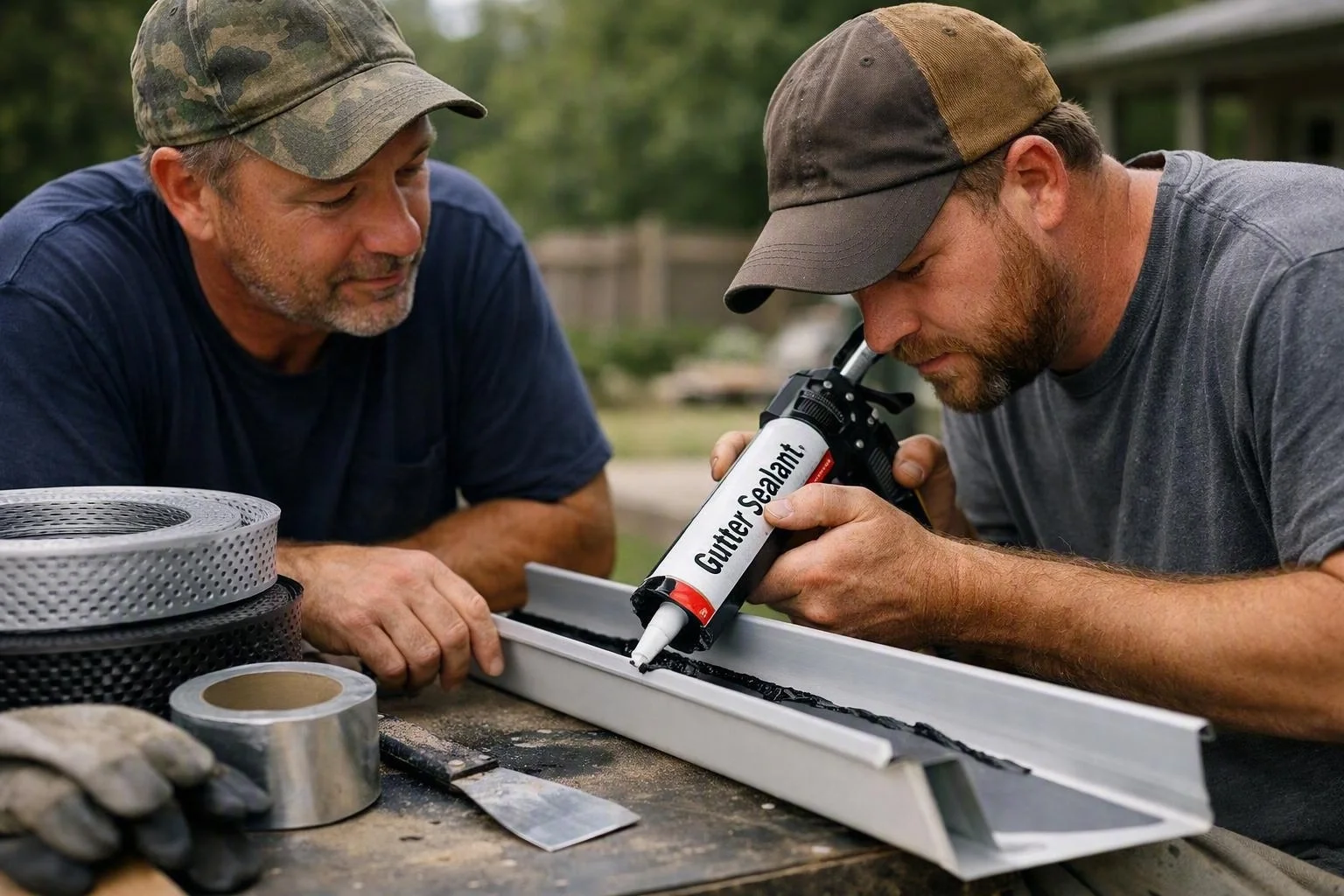
Rainfall patterns in Arkansas are a important element. The state sees frequent summer thunderstorms in central regions like Conway and Bentonville, while the Mississippi River Delta experiences high humidity and prolonged rain. Gutters in these areas need to be strong and capable of handling large volumes of water. This is where the durability of materials like steel and aluminum becomes vital, as they can withstand the stress of heavy rainfall without warping or rusting.
Temperature extremes also play a role gutter performance. In the Ozark Mountains, where temperatures can plummet, gutters must be able to handle freezing conditions without cracking. In contrast, the southern parts of Arkansas, such as the Delta region, face more consistent heat and humidity, which can speed up rusting in less resilient materials. Choosing the right gutter type based on these conditions ensures long-term functionality and reduces the need for frequent repairs.
Homeowners in Arkansas should take weather conditions into account when selecting gutters. A system that works well in one part of the state may not be effective in other areas. By understanding the impact of Arkansas weather, residents can choose wisely that protect their homes and lower repair expenses over time.
Prime Options for Gutter Installation in Arkansas
Choosing the right option for gutter installation in Arkansas is important for providing longevity and effectiveness. The state's environment, with its combination of heavy rainfall and heat variations, requires materials that can handle these scenarios without undermining function or aesthetics.
Aluminum gutters are a favored option due to their compact nature and ability to rust. They are well-suited for locations with significant rainfall, such as the Mississippi River Delta, where moisture amounts are continuously high. Their capacity to withstand rust makes them a practical selection for property owners seeking for a permanent answer. However, aluminum gutters may not be the optimal selection for areas with intense temperature fluctuations, as they can increase and decrease with the conditions, likely resulting to leaks or spaces over time.
Steel gutters offer higher strength and are suitable for areas with intense rainfall or regular gales. They are greater robust than cast and can manage the weight of ice and frost in cooler regions, such as the Ozark Mountains. However, steel gutters are more prone to corrosion unless they are coated with a safeguarding shield. This creates them a good choice for homeowners who value strength and durability, but they may require greater maintenance in high-humidity locations.
Copper gutters are recognized for their durability and skill to withstand severe conditions. They are commonly employed in zones with intense thermometer variations, such as the central and northern parts of Arkansas. While copper gutters are greater priced than other options, their capacity to rust and ability to survive for times make them a worthwhile purchase. Their inherent hue also brings a special look appeal, which can boost the curb interest of a residence.
Vinyl gutters are an affordable choice that is simple to install and look after. They are resistant to rust and degradation, making them ideal for regions with high wetness. However, they may not be as sturdy as metal gutters in intense climate. Vinyl gutters are commonly employed in areas with milder climates, such as sections of central Arkansas, where the chance of intense conditions is reduced.
When choosing components for gutter installation in Arkansas, it's crucial to review the particular circumstances of the area. Whether it's the intense rainfall in the Delta area or the climate extremes in the Ozarks, picking the right material guarantees that the gutter system operates successfully and lasts for long periods.
Gutter setup in Arkansas
The process of gutters in Arkansas involves several key steps to ensure proper function and longevity. Homeowners who are considering a gutter process should understand the process to make informed decisions and choose the right professional services for the job.
The first step in the setup process is assessing the home's specific needs. This includes evaluating the roofline, determining the type of gutter system required, and considering the local climate. In cities like Little Rock and Fort Smith, where heavy rainfall is common, a more robust system may be necessary to handle the volume of water. In contrast, areas with less rainfall may require a simpler setup.
Once the assessment is complete, the next step is selecting the right materials and design. Homeowners in Arkansas have several options, including aluminum, steel, copper, and vinyl gutters. https://text.dsf.hs-heilbronn.de/bQFOen_HQRCvGYTfl90tEA The choice of material depends on factors such as budget, climate, and personal preference. Professional installation services can help guide this decision, ensuring that the selected system is suitable for the specific conditions of the home.
After the materials are chosen, the setup procedure begins. This involves measuring and cutting the gutters to fit the home's dimensions, attaching them to the fascia boards, and ensuring proper slope for water drainage. https://notes.io/eLi3M In Arkansas, where building codes can vary by region, it's important to work with local contractors who are familiar with the specific regulations. Contractors in cities like Fayetteville and Conway are experienced in navigating these requirements and ensuring that the installation meets all necessary standards.
Finally, the installation is completed with a thorough inspection to check for any issues. This includes testing the system to ensure that water flows correctly and that there are no leaks or gaps. Professional services like AGM Gutters are known for their attention to detail and commitment to quality, making them a reliable choice for homeowners in Arkansas.
By adhering to these guidelines, property owners can make certain that their gutter system is set up accurately and works successfully for numerous years to pass. In the case of it's a fresh deployment or a swap, the process demands thorough preparation and the skills of qualified professionals.
Repair and Service in Arkansas
Maintaining gutters in Arkansas is important for making sure their long-term function and stopping moisture damage to homes. The region's diverse climate, including intense rain in the early season and regular summer thunderstorms, indicates that gutters should be consistently inspected and washed to operate effectively.
Gutter care is a critical part of upkeep, especially in areas with heavy rainfall. In cities like Little Rock and Fort Smith, where early season storms can bring large amounts of water, blocked gutters can lead to excess water and damage to the home's structure. Homeowners should service their gutters at least two a year, or more often if they live in regions with heavy vegetation or regular storms. This helps prevent debris accumulation and guarantees that water drains smoothly through the system.
Signs of damage in gutters can include seepage sagging or moist areas around the foundation. These issues can be caused by a variety of factors, including heavy rainfall, changes in temperature, and gradual deterioration. In the Ozark Mountains, where temperatures can drop significantly, gutters may be more likely to breaking or warping due to freezing conditions. In the Mississippi River Delta, excessive moisture and frequent rain can increase deterioration in less durable materials.
Regular maintenance also includes examining for loose or damaged sections of the gutter system. In central Arkansas, where summer storms are frequent, homeowners should inspect their gutters for any signs of deterioration after important storm situations. This helps detect problems soon and avoids more extensive problems later. Expert services can assist with these reviews, guaranteeing that the system is in optimal status and working as designed.
Repairing gutters in Arkansas often involves replacing damaged segments or fixing loose elements. In areas with extreme weather circumstances, such as the Delta region, more regular maintenance may be necessary. Working with regional professionals who are familiar with the specific difficulties of Arkansas weather can aid ensure that fixes are done accurately and effectively. This also lengthens the duration of the gutter unit but also safeguards the property from moisture-based damage.
By staying proactive with upkeep and resolving issues promptly, homeowners in Arkansas can ensure their gutters in excellent state and steer clear of expensive maintenance in the next. In case it's a everyday washing or a greater extensive repair, regular attention to the gutter setup is crucial for safeguarding the property and its surroundings.
Price of Gutter Installation in Arkansas
This cost of gutter installation in Arkansas differs depending on several factors, including the type of materials used, the size of the home, and the complexity of the installation. Homeowners should consider these elements when budgeting for a new or replacement gutter system.
Material pricing has a significant role in the overall cost of gutter installation. Metal gutters are usually more affordable than steel or copper, making them a favored choice for many homeowners. In cities like Fayetteville and Conway, where affordable options are in demand, aluminum is often the go-to material. Steel gutters, while significantly durable, are at a more price due to their strength and resistance to damage. Metal gutters, though significantly expensive, provide long-term value and a unique aesthetic appeal, making them a popular option for those looking for a premium solution.
The size and complexity of the home also impact the installation cost. Larger homes with more roofline demand more materials and labor, increasing the overall price. In regions like the Mississippi River Delta, where homes are often built on larger lots, the cost of installation may be more due to the greater amount of work required. In contrast, homes in smaller cities like Hot Springs may have lesser installation costs due to the lesser scale of the project.
Labor expenses are a further important factor in the cost of gutter installation. Skilled services in Arkansas, such as AGM Gutters, charge based on the time and effort required to complete the job. In areas with high demand, such as Little Rock and Fort Smith, labor costs may be higher due to the volume of work. Homeowners should also consider the expertise of the contractor, as experienced professionals may determine more but deliver better quality and long-term value.
Regional differences in Arkansas also impact the cost of gutter installation. In the Ozark Mountains, where the terrain can be significantly challenging, installation may need additional time and resources, resulting to higher costs. In contrast, the flat landscapes of central Arkansas may enable for significantly straightforward installations, possibly reducing the overall price. Grasping these regional variations can assist homeowners make educated decisions about their gutter system and plan accordingly.
By considering these aspects, homeowners in Arkansas can more effectively determine the cost of gutter setup and choose a setup that fits their demands and resources. Whether it's a basic replacement or a full installation, the correct approach provides that the gutter system works efficiently and offers long-term protection for the property.
FAQ
What are the most common types of gutters used in Arkansas?
The most common gutter types in Arkansas include aluminum, steel, copper, and vinyl. Aluminum is popular due to its lightweight and resistance to corrosion, making it suitable for areas with heavy rainfall. Iron gutters are known for their strength and durability, ideal for regions with frequent storms. Copper gutters offer longevity and a unique aesthetic, while plastic gutters are an affordable option for homeowners looking for a budget-friendly solution.
How do climate conditions in Arkansas affect gutter installation?
Arkansas' climate, with its heavy spring rainfall and summer thunderstorms, influences the choice of gutter systems. Areas like Little Rock and Fort Smith experience frequent rain, requiring gutters that can handle large volumes of water. The Ozark Mountains, with their cooler temperatures, may need gutters that can withstand freezing conditions. Understanding these factors helps homeowners select the right gutter type for their specific location.
What materials are best suited for Arkansas weather?
Aluminum and metal gutters are well-suited for Arkansas' climate due to their durability and resistance to corrosion. Brass gutters are ideal for areas with extreme temperature fluctuations, while vinyl gutters are a more affordable option for regions with milder weather. The choice of material depends on the specific conditions of the home and the local climate.
What is the typical cost of gutter installation in Arkansas?
The cost of gutter installation in Arkansas varies based on factors such as material type, home size, and labor expenses. Metallic gutters are generally more affordable, while copper and iron options come at a higher price. In cities like Little Rock and Fort Smith, where demand is higher, labor costs may be greater. Homeowners should consider these factors when budgeting for a new or replacement gutter system.
What are the steps involved in expert gutter setup?
Professional gutter installation in Arkansas initiates with an assessment of the home's demands, then material selection and system planning. The installation method includes calculating, trimming, and attaching the gutters to the fascia boards. Area professionals guarantee that the placement meets Arkansas building codes and weather conditions. A last inspection is undertaken to verify that the system operates correctly and is free of leaks or spaces.