

Why Gutter Installation Matters in Arkansas
Gutter installation is a important aspect of home protection in Arkansas. With its unique weather conditions, the right gutter system can make a significant difference in maintaining the integrity of your home. Arkansas experiences a array of weather patterns, from heavy rainfall to sudden temperature changes, which can all impact the effectiveness of your gutters. Proper installation ensures that water is directed away from your home, preventing issues like foundation damage, basement flooding, and roof leaks.
Arkansas weather can be uncertain, and the right gutter system is necessary to handle the challenges posed by this environment. Whether it's the springtime rains in Little Rock or the summer thunderstorms in Fayetteville, gutters must be designed to handle these conditions. Home protection starts with a dependable gutter system that can manage the volume of water that flows off your roof.
In Arkansas, the importance of qualified support cannot be overstated. https://carwiki.site/wiki/A_Complete_Guide_of_Evaluating_the_Right_Gutters_for_Arkansas_Key_Factors_That_Matter A correctly installed gutter system not only protects your home but also enhances its curb appeal. Local understanding is key, as different areas of Arkansas may have specific requirements based on their climate and geography. Understanding the local weather conditions and how they affect your home is important for making informed decisions about gutter installation.
Popular Gutter types Employed in Arkansas
When it comes to gutter installation in Arkansas, the two of the most common varieties are K-style gutters and half-round gutters. K-style gutters are common due to their substantial, square layout, which allows them to contain more moisture. This makes them perfect for regions with significant precipitation, such as Little Rock or Fayetteville. Their layout also makes them simpler to maintain and care for, which is essential for prolonged performance.
Half-round gutters, on the other hand, have a more old-fashioned visual and are frequently employed in old residences or regions where appearance are a concern. These gutters are usually constructed from elements like aluminium or steel, which provide resilience and capability to the weather. They are also easier to put in in specific configurations, making them a suitable option for numerous homeowners in Arkansas.
The choice of material exerts a key function in the function of gutters. Aluminium is a popular selection because it is lightweight, resistant to rust, and cost-effective. Steel gutters, while stronger, can be more substantial and may demand additional support. The choice between these materials relies on the particular requirements of your home and the regional climate.
How Arkansas Climate Affects Gutter Installation
The weather in Arkansas has a significant influence on the gutter installation method. Heavy rainfall, especially in areas like Little Rock, requires gutters that can process large quantities of water. This means that the measurements and quantity of drain pipes must be precisely determined to guarantee proper water flow. In regions with frequent thunderstorms, such as Fayetteville, gutters must also be designed to endure strong winds and intense downpours.
Temperature fluctuations in Arkansas can also affect the performance of gutters. Sudden drops in temperature can cause ice dams, which can lead to water backup and potential damage. Proper installation techniques, such as ensuring the correct slope and using weather-resistant materials, are essential to prevent these issues. In areas with high humidity, like Springfield, the durability of the gutter materials becomes even more important to prevent rust and corrosion.
Storm patterns in Arkansas vary by region, and local experience is important for comprehending how these patterns impact your home. For example, in Fort Smith, where stormwater regulations are tight, the installation must comply with area-specific codes to ensure sufficient water management and stop overflow. Understanding these aspects supports in choosing the correct gutter system that can endure the difficulties posed by Arkansas climate.
Top Choices for Gutter Installation in Arkansas
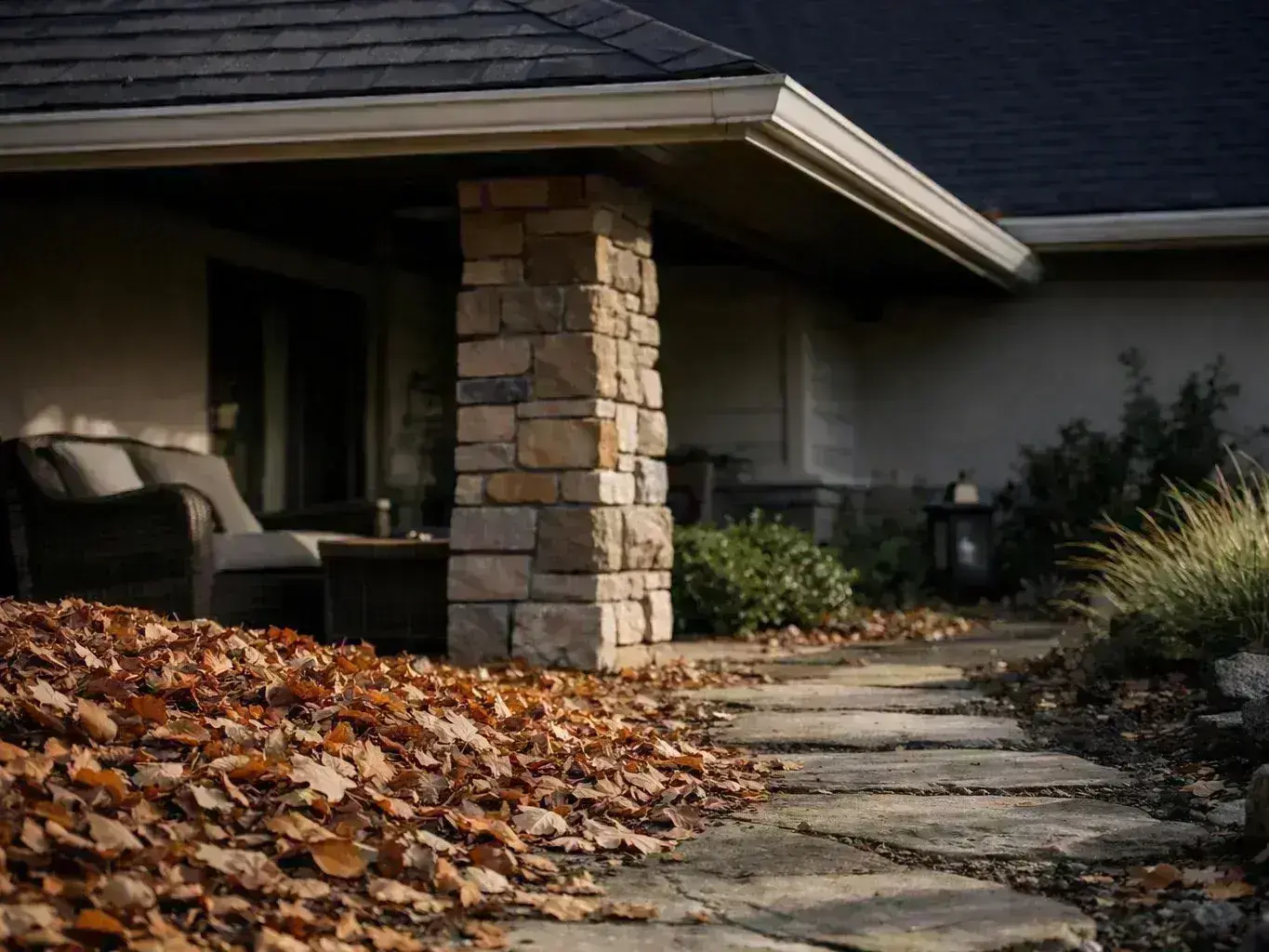
Picking the right options for gutter installation in Arkansas is crucial for prolonged functionality. Aluminum is a widely used selection due to its lightweight character and ability to corrosion. It is also relatively affordable, making it a economic option for many homeowners. Aluminum gutters can be painted to match the color of your home, offering both functionality and visual beauty.
Steel gutters are another option, known for their robustness and endurance. However, they can be more weighty and may need additional support. Steel is more capable to bumps, making it a fine selection for locations with common storms. However, it is greater costly than aluminum and may demand greater upkeep over duration.
Vinyl gutters are a budget-friendly alternative that is straightforward to set up and look after. They are resistant to rust and deterioration, making them suitable for areas with increased dampness. However, they can be more susceptible to fracturing in extreme heat, which is a point for Arkansas's variable environment.
Copper gutters supply a unique looks and are extremely durable. They form a natural color over period, which can boost the visual of your home. However, they are significantly priced and may require professional setup. Despite the higher expense, copper gutters can be a fine purchase for residents looking for long-lasting effectiveness and visual appeal.
The Gutter setup method in Arkansas
The gutter setup procedure in Arkansas consists of several critical phases to provide a secure and successful setup. The initial step is expert fitting, which demands the knowledge of seasoned engineers. A thorough evaluation of your residence's roof and current gutters is vital to determine the optimal strategy.
Measuring is the next vital action. Accurate dimensions guarantee that the gutters are the right dimension and match properly. This phase also helps in identifying the count of drainpipes needed to manage the water current. Appropriate dimensioning is especially vital in regions with excessive rain, such as Little Rock, where even a minor mistake can lead to water injury.
Drainpipes are an essential section of the gutter solution, guiding water away from the property. The placement and number of drainpipes must be meticulously organized to provide efficient water flow. In regions with regular lightning, like Fayetteville, additional drainpipes may be required to control the higher amount of liquid.
Sealing is the concluding action in the installation process. Appropriate sealing stops faults and guarantees that the gutters operate as intended. This step is important for maintaining the integrity of the solution, especially in places with high dampness, such as Springfield. A well-sealed gutter solution can considerably lower the chance of water harm and lengthen the lifespan of your gutters.
Expense of Gutter Installation in Arkansas
The expense of gutter installation in Arkansas can change depending on multiple factors, including the materials used, the size of the home, and the complexity of the installation. On average, property owners can expect to pay between $5 and $10 per linear foot for professional installation. This range includes both materials and labor, but it can vary based on the specific requirements of your residence.
Materials play a substantial role in the in general cost. Metal gutters are generally the most affordable option, while steel and copper can be more costly. Vinyl gutters offer a spending plan-friendly alternative, but they may call for more frequent maintenance. Understanding the cost estimates for different materials can help you make an informed decision that fits your budget and needs.
Labor costs also contribute to the total expense of gutter installation. Professional help is essential for ensuring a proper installation, especially in areas with specific local regulations. In cities like Fort Smith, where stormwater regulations are strict, hiring a qualified contractor can help ensure compliance and avoid potential issues.
While the initial investment in gutter installation may seem high, it is a long-term investment in the protection of your home. Properly installed gutters can prevent costly repairs and extend the life of your roof and foundation. Considering the local weather conditions and the potential for heavy rainfall, it is worth investing in a reliable system that can withstand the challenges of Arkansas weather. https://nomadwiki.space/wiki/Smart_Tips_for_Choosing_10_The_Role_of_Gutter_Installation_in_Roof_Protection_2026
Maintaining Gutters in Arkansas
Regular maintenance is crucial for keeping your gutters in good condition, especially in Arkansas where the seasons can be unpredictable. Cleaning frequency is a key factor in maintaining the effectiveness of your gutters. It is recommended to clear your gutters at least two a year, once in the spring and once in the fall. This helps eliminate accumulation and stops clogs that can cause water damage.
Arkansas seasons can change greatly, with heavy precipitation in the spring and summer, and lower weather in the winter. These variations can impact the effectiveness of your gutters, making regular maintenance even more crucial. In areas like Little Rock, where early season precipitation are regular, more frequent cleaning may be needed to prevent clogs and ensure proper water movement.
Trash such as foliage, twigs, and mud can accumulate in gutters, causing clogs and water accumulation. These challenges can result in harm to your home's foundation and top. Regular inspections and cleaning can help identify and address these challenges before they become significant. In regions with high humidity, like Springfield, the risk of clogs is higher, making upkeep even more vital.
Effective care not only lengthens the duration of your gutters but also makes sure that they work as expected. By holding your gutters free and free of debris, you can stop water injury and protect your home from the impacts of Arkansas weather. Taking the time to maintain your gutters is a simple yet successful method to make sure their extended function.
Arkansas Building Codes for Gutters
Compliance with Arkansas building codes is essential for any gutter installation project. These codes are designed to ensure that gutters are installed safely and effectively, protecting both the home and the surrounding environment. Local regulations may vary by city, so it is important to understand the specific requirements in your area.
Permits are often required for gutter installation, especially in areas with strict stormwater regulations. In Fort Smith, for example, licenses may be necessary to ensure that the installation meets local standards. This helps prevent issues such as inadequate drainage and potential flooding, which can be costly to address.
Security standards are also a critical consideration in gutter installation. Proper installation techniques, such as ensuring the proper incline and secure fastening, are essential for the long-term performance of the system. These standards help prevent problems and ensure that the gutters function as intended.
Municipal expertise is crucial when it comes to navigating the building codes and regulations in Arkansas. Experts who are acquainted with the specific requirements in your area can help ensure that your gutter installation is in accordance with standards and successful. This is especially crucial in regions with unique weather conditions, where regional knowledge can make a significant difference in the outcome of the project.
FAQ
What are the most common types of gutters used in Arkansas?
Common gutter types in Arkansas include K-style gutters and half-round gutters. K-shaped gutters are common for their deep design, which allows them to hold more water, making them ideal for areas with heavy rain. Half-moon gutters, on the other hand, have a traditional look and are frequently used in heritage properties or areas where looks matter. For reliable Gutter Installation in Arkansas in Arkansas, AGM Gutters provides practical solutions.
How do climate conditions in Arkansas affect gutter installation?
Arkansas experiences a range of weather conditions, including heavy rainfall and sudden temperature changes. These considerations influence the design and installation of gutters. For example, areas like Little Rock need gutters that can handle large volumes of water, while regions like Fayetteville may need installations that can withstand frequent thunderstorms. Correct installation techniques, such as making sure the correct slope and using weather-resistant materials, are essential for long-term efficiency.
What materials are best suited for Arkansas weather?
The best materials for gutter installation in Arkansas depend on the specific calls for of your property and the local weather conditions. Aluminium is a popular option due to its lightweight nature and resistance to rust. Iron gutters are more long-lasting but can be heavier. Vinyl gutters offer a budget-friendly alternative, while copper gutters offer a unique aesthetic and long-lasting operation. Selecting the right material makes sure that your gutters can withstand the challenges of Arkansas weather.
What is the common cost of gutter installation in Arkansas?
The cost of gutter installation in Arkansas can vary depending on numerous elements, including the materials used, the size of the property, and the complexity of the installation. On average, homeowners can expect to pay between $5 and $10 per linear foot for professional installation. This range includes both materials and labor, but it can vary based on the specific requirements of your home. Understanding the cost estimates for different materials can help you make an informed decision that fits your budget and needs.
What are the steps involved in professional gutter installation?
The gutter installation process in Arkansas involves several key steps. The first step is professional installation, which requires the expertise of experienced technicians. A thorough assessment of your home's roof and existing gutters is essential to determine the best approach. Measuring is the next critical step, ensuring that the gutters are the right size and fit properly. Downspouts are an essential part of the system, directing water away from the home. Proper sealing is the final step, preventing leaks and ensuring the gutters function as intended.